
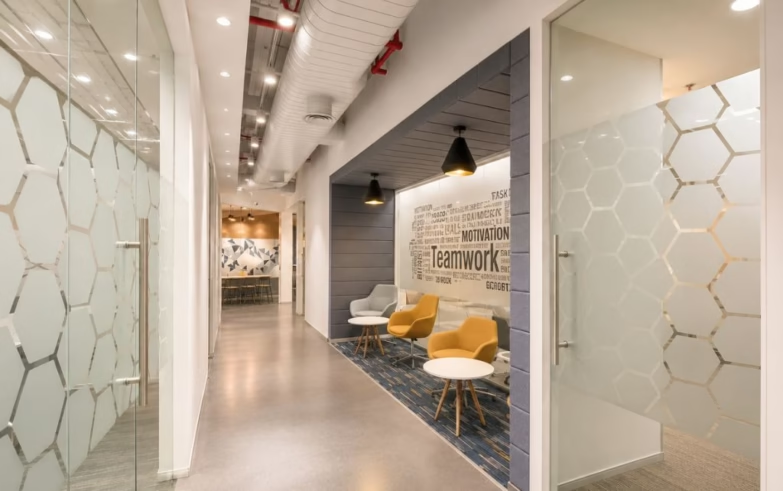
The Future of Workplace Design: Function, Flow & Experience
The modern workplace is evolving rapidly, and businesses are rethinking how office spaces should function in today’s dynamic work culture. What was once considered a premium office interior is no longer enough. Today, companies are focusing on creating workplaces that improve productivity, collaboration, employee well-being, and overall workplace experience.
The future of workplace design is no longer defined only by aesthetics. It is now driven by three essential elements, function, flow, and experience.
Modern businesses are moving toward smart workplace design, where office interiors are planned strategically to support employee performance, operational efficiency, and long-term business growth. As hybrid work models and changing employee expectations continue to reshape the corporate environment, the role of corporate office interior design has become more important than ever.
Why Modern Workplace Design Is Evolving
Over the last few years, organizations have realized that office environments directly impact employee productivity, workplace culture, and team collaboration. Employees today expect more than visually appealing office interiors, they expect workplaces that are comfortable, flexible, functional, and designed around their needs.
This shift has changed the way businesses approach commercial interior design and office space planning.
Today’s workplace design focuses on:
- Employee experience
- Functional office layouts
- Flexible workspaces
- Collaboration zones
- Smart office solutions
- Wellness-focused interiors
- Sustainable workplace design
Companies are no longer asking, “How can we make the office look premium?” Instead, they are asking, “How can we design a workplace that helps employees work better?”
That is where function, flow, and experience become the foundation of modern office interiors.
Function: The Core of Smart Office Design
One of the most important aspects of modern workplace design is functionality. A beautiful office interior has little value if the layout creates inefficiencies, distractions, or operational challenges.
Functional office design focuses on creating spaces that improve workflow, support productivity, and align with the daily needs of employees.
A well-planned corporate office interior design strategy includes:
- Smart workstation planning
- Flexible meeting spaces
- Efficient space utilization
- Acoustic solutions
- Ergonomic office furniture
- Collaborative work environments
- Technology-integrated workspaces
Today’s businesses are increasingly adopting flexible office design concepts that allow employees to move between collaborative zones, focus areas, breakout spaces, and informal meeting environments throughout the day.
A functional office is not just visually appealing, it improves operational efficiency and creates a better workplace experience for employees.
At SLS Designs, every workplace is designed with a strong focus on functionality, ensuring that office interiors support both employee comfort and business performance.
Flow: Designing Offices That Improve Movement & Collaboration
Flow in workplace design refers to how employees move, interact, and experience the office throughout the day.
Poor office layouts often result in:
- Workplace congestion
- Reduced collaboration
- Employee distractions
- Inefficient communication
- Workflow interruptions
Modern office interior design companies are now focusing on creating seamless workplace flow through strategic space planning and employee-centric layouts.
This includes:
- Optimized circulation pathways
- Strategic department positioning
- Accessible collaboration spaces
- Balanced private and open work zones
- Efficient meeting room placement
Good workplace flow improves communication while reducing unnecessary movement and workplace friction.
For example, teams that collaborate regularly should be positioned closer together to improve interaction and productivity. Similarly, breakout zones and informal discussion areas should feel naturally integrated into the office layout without disrupting focused workspaces.
Smart workspace design creates a balance between collaboration and concentration, something modern businesses prioritize heavily.
Experience: The Future of Corporate Office Interiors
Employee experience is becoming one of the biggest priorities in modern workplace design.
Businesses are recognizing that office spaces directly impact employee engagement, creativity, motivation, and overall job satisfaction. As a result, modern corporate office interiors are being designed around employee comfort and workplace wellness.
Today’s workplace experience includes:
- Natural lighting
- Biophilic office design
- Ergonomic seating
- Wellness-focused spaces
- Flexible work environments
- Employee breakout areas
- Collaborative workspaces
- Inclusive office layouts
The goal is no longer just to create visually premium office interiors. The focus is now on designing workplaces where employees feel motivated, productive, and comfortable.
This shift is especially important in attracting and retaining top talent. Businesses today understand that workplace experience plays a major role in employee satisfaction and company culture.
Modern office interiors are becoming more human-centric, helping organizations build stronger workplace environments that encourage innovation, collaboration, and productivity.
Smart Technology & Workplace Innovation
Technology is also shaping the future of workplace design.
Modern businesses are investing in smart office solutions that improve workplace efficiency and support evolving work models.
Technology-driven workplace features include:
- Smart meeting rooms
- Automated lighting systems
- Energy-efficient workplace solutions
- Digital collaboration tools
- Workplace access control systems
- Hybrid work integrations
Technology integration allows businesses to create future-ready workplaces that are flexible, scalable, and efficient.
As workplace expectations continue to evolve, companies require office environments that can adapt to changing business needs while supporting productivity and employee experience.
Workplace Design Is Moving Beyond Luxury
For years, premium office interiors focused heavily on luxury aesthetics. While visual appeal remains important, businesses are now prioritizing purpose-driven workplace design.
The future of commercial office interior design is not about oversized cabins, expensive materials, or decorative elements alone. It is about creating workplaces that improve:
- Employee productivity
- Workplace collaboration
- Employee well-being
- Operational efficiency
- Business performance
This shift is redefining the role of office interiors in modern business environments.
Organizations are now investing in smart, efficient, and employee-focused workplace design solutions that create long-term value beyond aesthetics.
Final Thoughts
The future of workplace design is no longer just about creating offices that look impressive. It is about designing spaces that improve how employees work, collaborate, and experience the workplace every day.
Function, flow, and experience are becoming the foundation of modern office interior design, helping businesses create workplaces that are efficient, flexible, and people-centric.
As employee expectations and work cultures continue to evolve, businesses that invest in strategic workplace interior design will be better positioned to improve productivity, attract talent, and build stronger workplace cultures.
At SLS Designs, we believe the future of workplace design lies in creating meaningful office environments that combine functionality, seamless flow, and exceptional workplace experience for long-term business growth.