
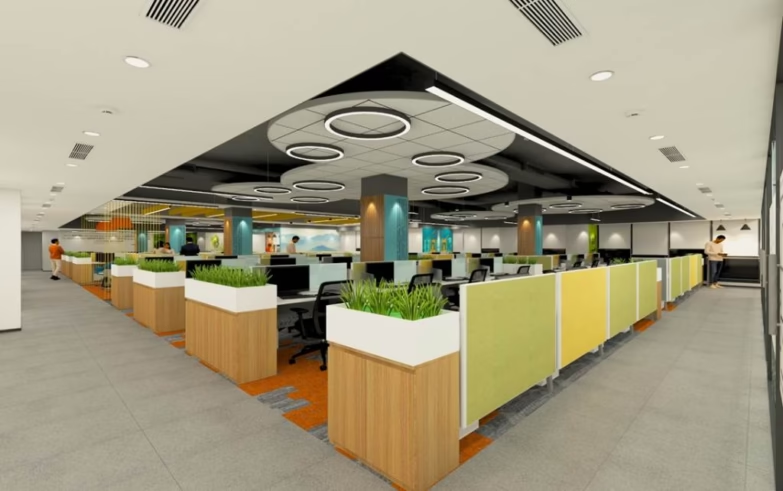
The Evolution of Corporate Interior Design in Metro Cities
Corporate office interior design in India is entering a decisive phase in 2026. Metro cities like Mumbai, Bengaluru, Delhi NCR, Hyderabad, Pune, and Chennai are no longer designing offices for scale alone; they are designing for performance, flexibility, and brand perception.
As businesses recalibrate work models, corporate interiors are becoming strategic assets rather than cost centres. Leading corporate interior design firms are now expected to blend aesthetics, technology, sustainability, and employee well-being into a single, cohesive workspace experience.
This shift is reshaping how modern offices are designed and how decision-makers evaluate design partners such as SLS Designs, known for its integrated approach to corporate interior design and build.
1. Smart Office Design Becomes the New Standard
In 2026, smart office infrastructure is no longer a “premium add-on”; it’s a baseline expectation in corporate office interior design.
Metro-based organisations are actively investing in:
- Sensor-driven lighting and HVAC systems
- Smart meeting rooms with occupancy tracking
- Energy management systems integrated into design layouts
From global tech firms in Bengaluru to financial institutions in Mumbai, smart design is enabling cost efficiency, data-driven space utilisation, and enhanced employee experience.
Corporate interior design firms like SLS Designs are increasingly integrating smart planning at the design stage itself, ensuring technology complements spatial flow rather than disrupting it.
2. Flexible Workspaces Over Fixed Layouts
Hybrid work has permanently changed how offices are used. In 2026, flexibility is central to corporate office interior design, especially in high-cost metro locations.
Key design shifts include:
- Modular workstations
- Multi-use collaboration zones
- Convertible meeting spaces
- Agile seating plans
Corporate interiors are now designed to expand, contract, and reconfigure without major structural changes.
For companies operating across multiple metro cities, design partners such as SLS Designs focus on scalability, creating adaptable layouts that remain relevant as teams and business needs evolve.
3. Sustainability as a Business Decision, Not a Trend
Sustainability has moved beyond visual cues. In 2026, corporate interior design decisions are being influenced by ESG goals, compliance requirements, and long-term operational savings.
Metro corporates are prioritising:
- Low-VOC materials
- Energy-efficient lighting
- Locally sourced finishes
- Sustainable furniture systems
This is particularly relevant in cities like Delhi NCR and Mumbai, where regulatory scrutiny and environmental awareness are higher.
Corporate interior design firms like SLS Designs are aligning sustainable practices with functional performance, ensuring green design supports both brand values and business efficiency.
4. Brand Identity Integrated Into Office Interiors
In 2026, corporate offices are expected to communicate brand values without words. From reception areas to boardrooms, interior design plays a critical role in shaping perception for employees, partners, and clients.
Key branding elements include:
- Material storytelling
- Purpose-led colour palettes
- Spatial hierarchy reflecting company culture
- Custom-designed collaboration zones
In metro markets where talent competition is intense, brand-aligned corporate interiors help organisations stand out.
Design firms such as SLS Designs are increasingly working closely with leadership teams to translate brand philosophy into physical spaces, ensuring the office becomes a true extension of the brand.
5. Wellness-Driven Corporate Interior Design
Employee well-being is now a measurable business metric. In 2026, corporate office interior design places strong emphasis on mental, physical, and emotional wellness.
Trending wellness features include:
- Biophilic design elements
- Natural light optimisation
- Acoustic comfort planning
- Ergonomic furniture integration
Metro offices are being designed to reduce burnout while increasing productivity, a shift accelerated by hybrid work fatigue.
Companies partnering with experienced firms like SLS Designs benefit from wellness-focused planning that balances comfort with operational efficiency.
6. Hyperlocal Design Sensibilities in Metro Cities
While global standards guide design quality, hyperlocal relevance defines success in metro corporate interiors.
For example:
- Mumbai offices prioritise space efficiency
- Bengaluru offices focus on collaborative zones
- Delhi NCR offices emphasise formality and hierarchy
- Hyderabad and Pune favour scalable tech-driven layouts
Corporate interior design firms must understand these nuances to deliver relevant solutions. SLS Designs, with its metro-focused execution experience, adapts design strategies to suit both business objectives and city-specific expectations.
Conclusion: The Future of Corporate Interior Design
As we move through 2026, corporate office interior design will continue to evolve from static spaces to intelligent, flexible, and brand-driven environments.
For organisations operating in competitive metro markets, partnering with experienced corporate interior design firms like SLS Designs ensures their workspaces are not just visually compelling but strategically aligned with growth, culture, and performance.
The future of corporate interiors belongs to brands that view design as a long-term business investment, not a one-time project.